

Skip to content

How Sinospect works

Turn a project file into a controlled industrial order.

Sinospect aligns the requirement, manufacturer, contract, factory controls and delivery records around one order. When Sinospect supplies the goods, those controls sit behind one buyer-facing contract. They can also be scoped for a buyer-direct order.

The starting point may be a BOQ, specification, equipment list, supplier quotation, drawing set or test protocol.

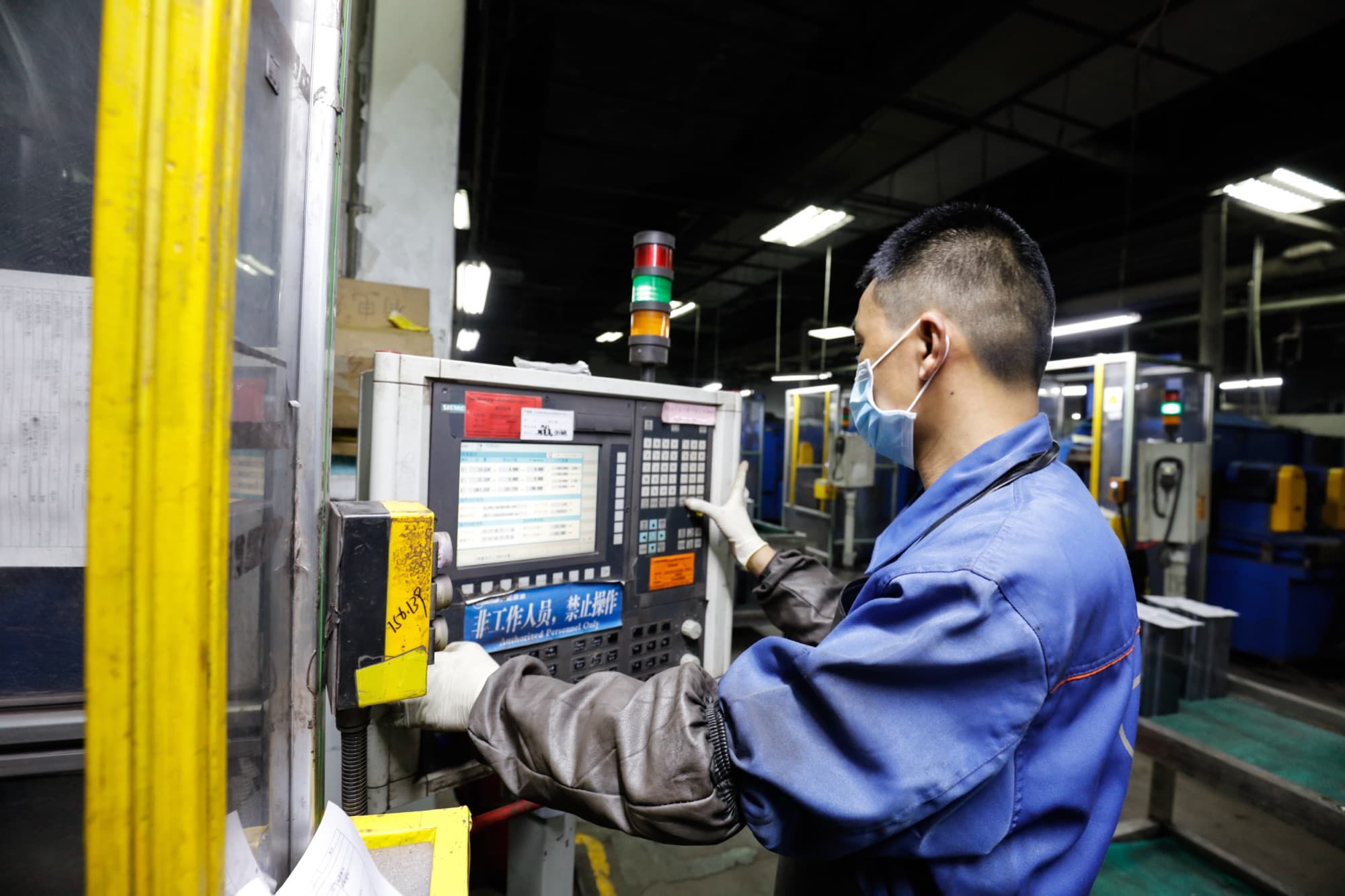
Industrial equipment control panel being reviewed during a Chinese factory inspection
The control plan is tied to the specification, order and acceptance criteria.

Three risks to close early

Set the order controls before the factory visit.

The method concentrates on three linked gaps that can make later inspection evidence difficult to use.

01

The offer does not match the requirement

Scope exclusions, interfaces, standards or required documents remain implicit when offers are compared.

Response: Reconcile the technical and commercial baseline before award and record the open clarifications.

02

The manufacturer cannot support the claim

Company identity, production capability or certificate scope does not support the exact product and order.

Response: Qualify the legal entity, manufacturing route, evidence and project-specific capability before commitment.

03

Release evidence arrives too late

Acceptance criteria, inspection points and document responsibilities are left until production or shipment.

Response: Put the inspection-and-test plan, report route and release conditions into the order baseline.

Seven-stage process

Each commitment follows a documented decision.

A Sinospect supply order runs through the full sequence; on a buyer-direct contract, Sinospect performs the stages named in the agreed scope. Authority and commercial remedies differ by model.

  1. 01

    Source against the requirement

    Input: Equipment list, BOQ, specification, interfaces and destination file

    Resolve scope, terminology, standards, dates and missing information, then identify the candidate manufacturers for the order.

    Decision record: Controlled requirement, clarification register and candidate list

  2. 02

    Qualify the supplier

    Input: Candidate manufacturer, existing supplier or open market route

    Check identity, capability, evidence and commercial fit for the order.

    Decision record: Qualified route, exceptions and recommendation

  3. 03

    Review the technical basis and set the order controls

    Input: Offer, drawings, quality plan and proposed terms

    Align acceptance criteria, documents, visits, authority and release effects.

    Decision record: Order baseline and inspection-and-test plan

  4. 04

    Control factory execution

    Input: Production status, records, equipment and agreed hold points

    Follow production, inspect, witness tests and record non-conformities within scope.

    Decision record: Findings, evidence and disposition recommendation

  5. 05

    Document the order

    Input: Required certificates, factory test records, manuals and shipment documents

    Keep one revision-controlled register that links every document to the equipment and requirement it supports.

    Decision record: Document register and release file

  6. 06

    Ship and consolidate

    Input: Release decision, packing status and the appointed forwarder

    Reconcile the shipment file, consolidate the agreed lots and hand the dispatch record to the forwarder and the buyer.

    Decision record: Shipment dossier and handover record

  7. 07

    Support after delivery

    Input: Warranty terms, open items and spare-parts or repeat-order needs

    Administer the agreed warranty and supplier follow-up so the supplier record stays usable after handover.

    Decision record: Open-item ownership and after-sales record

Named outputs

The method produces records a buyer can review and act on.

The proposal selects the documents required for the actual order.

Requirement and offer comparison

A like-for-like view of scope, exclusions, deviations, interfaces and required clarifications.

Supplier qualification record

Identity, capability and relevant certification evidence checked against the proposed order.

Technical clarification register

Open questions, decisions, document owners and approved changes kept in one controlled record.

Inspection-and-test plan

Acceptance criteria, hold or witness points, required instruments, records and review route.

Inspection or FAT report

Dated observations, results, non-conformities, evidence references and the bounded recommendation.

Shipment and handover dossier

Packing, marking, serial, test and shipment documents reconciled for the agreed delivery scope.

Contract and authority

The control record informs the buyer’s decision.

The proposal identifies who contracts the manufacturer, controls payment, approves changes and accepts the goods.

Supply contract

In the standard model Sinospect is the buyer-facing supplier and controls its own manufacturer release. Delivery point, warranty and remedies remain proposal-specific.

Buyer-direct contract

The buyer keeps the manufacturer contract and payment authority. Sinospect performs only the execution or control scope stated in its separate appointment.

Buyer authority

The buyer retains specification, design decisions, deviation approval and final acceptance unless a specific written delegation states otherwise.

Evidence access

Project-specific evidence is shared with the parties authorised for the live assignment. Other clients’ and suppliers’ operational files remain confidential.

Start with what exists

Send the file before the next commercial commitment.

Sinospect will identify the missing information, viable supply route and next control point before proposing a scope.

Request an initial project review
  • BOQ, specification or equipment list
  • Supplier quotation, drawings or factory file
  • Required date, destination and acceptance criteria