

Service · Inspection and quality control
Inspection in China for industrial orders
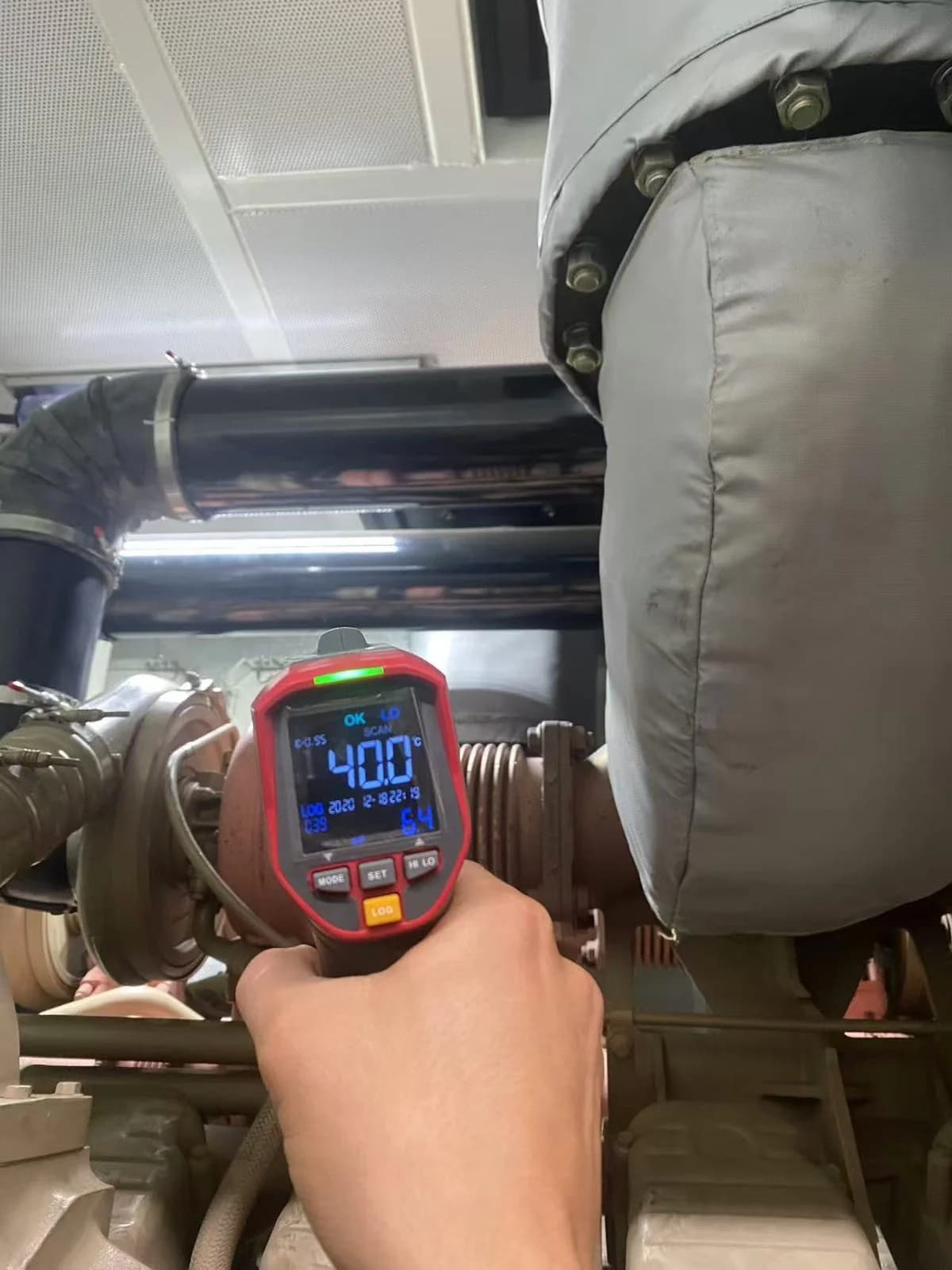
Sinospect checks industrial materials and equipment at supplier factories in China. These checks support Sinospect-supplied orders and buyer-direct assignments. Pre-shipment inspection (PSI) covers finished goods and shipment readiness; a factory acceptance test (FAT) witnesses equipment performance against the agreed protocol. The report records findings and a recommendation for the buyer’s release decision.
- Buyer-side control point
- From specification to release
- Where it runs
- Supplier factories and on-site witnessing in China
- Engagement output
- Written record proportional to the tier — photo log, PSI report or signed FAT disposition
01 · Scope
Quality assurance starts with how the buyer will use it
The inspection scope follows the buyer’s intended use, existing equipment and acceptance criteria. Sinospect reviews the specification, clarifies the supplier’s proposed components and recommends the checks needed before production or shipment.
It becomes useful when
- The client has a product, component or equipment need but not yet an enforceable specification.
- The supplier's quotation leaves critical defaults open: brand, material, finish, tool configuration, accessories or document scope.
- A mould, machine, spare part or production input must fit the client's existing equipment and operating process.
- Finished goods, packaging, components or accessories need a practical check before balance payment or shipment release.
- Pre-shipment inspection or FAT is needed because defects would be expensive to correct after arrival.
- A direct order with a Chinese supplier has become stuck and the client needs fact-finding, escalation or mediation in China.
02 · Controls and evidence
Checks from specification to shipment
Control point
Use-case and technical fit
How the buyer will actually run the equipment is clarified before the supplier locks production — existing machines, site conditions, expected output, packaging constraints, installation environment and compatibility requirements.
Control point
Specification and acceptance criteria
The specification is built or sharpened so the supplier signs against what must be delivered, tested and documented.
Control point
Brand, material and tooling alignment
Buyer-approved component, material, tooling, finish, interface and spare-parts requirements are recorded and aligned with the supplier before fabrication starts; alternatives return to the buyer for decision.
Control point
Inspection tier and release gate
The control level is chosen around the buyer's exposure: light spot check, pre-shipment inspection, witnessed FAT, or a combined path when the order needs both technical testing and shipment-release checks.
Control point
Non-conformity resolution
Sinospect records corrective action at the supplier’s works: correction, rework, retest, concession or rejection. Open items and their required closure evidence accompany the release recommendation.
Evidence reviewed
Inspection evidence
- Specification record
- Recorded before supplier execution: buyer's intended use, machine compatibility, site constraints and expected performance.
- Specification, drawings, acceptance criteria, exclusions and document expectations built or reviewed.
- Critical brand, material, tooling and configuration requirements identified before fabrication starts.
- Supplier alignment record
- Supplier clarifications, alternatives, substitutions and trade-offs recorded in writing.
- Bill of materials, component choices and technical assumptions checked against the buyer's requirements.
- Open commercial or technical questions tracked until the buyer has a clear decision basis.
- Inspection and release record
- Photo log and short note for light checks where full inspection is not justified.
- Structured PSI or FAT record where the risk requires a formal inspection report or signed test disposition.
- Non-conformity log, corrective-action evidence and release, hold, rework or reinspection recommendation.
03 · Deliverables
Deliverables issued
Deliverable
For · Procurement and engineeringSpec sheet and acceptance criteria
A written specification the supplier signs against — what the order must achieve, what must be delivered, which assumptions are accepted, and which requirements need written confirmation.
Deliverable
For · Buyer and supplier teamsSupplier alignment and clarification log
A written record of the supplier’s proposed brands, materials, tooling, configuration, documents and dates, with the buyer’s decisions on open points.
Deliverable
For · Engineering and operationsInspection or test record
The evidence appropriate to the tier: photo log, spot-check note, PSI report, FAT disposition, test records or supporting supplier documents.
Deliverable
For · Procurement and financeRelease, hold or corrective-action recommendation
A written recommendation that supports payment or shipment release: release, release with comments, hold, rework, retest or reinspection.
04 · Risks controlled
Risks controlled
Risk
The buyer assumes details that are not actually written into the supplier's offer.
Control response
Sinospect turns broad needs into a written specification, clarification list or acceptance record before supplier execution makes those assumptions expensive to correct.
Risk
The supplier uses its default brand, material, steel, accessory or configuration instead of what the buyer's operation requires.
Control response
Buyer-approved component, material and configuration requirements are documented, acknowledged by the supplier and verified at the agreed inspection point; proposed substitutions return to the buyer for approval.
Risk
A mould, component or machine arrives but does not fit the client's existing production setup.
Control response
Machine compatibility, tooling configuration, material choices, reference standards and operating conditions are reviewed against the supplier's proposal before commitment.
Risk
The order is either under-inspected or over-inspected because the QA tier was chosen too late.
Control response
Sinospect sets the control level by the value, technical complexity and recoverability of the order, so the buyer gets sufficient evidence without redundant checks.
Risk
A direct China order gets stuck with late delivery, off-spec goods, missing documents or unclear release conditions.
Control response
Sinospect can intervene in China, document the facts, separate technical issues from commercial issues, and push a practical corrective or release path.
05 · Background resources
Related
- Service · Factory acceptance testing in ChinaThe full FAT tier — witnessed performance testing against the agreed inspection and test plan, with signed disposition and non-conformity tracking.
- Service · Pre-shipment inspection in ChinaThe PSI tier — verification of quantity, marking, packing, serial numbers and document pack before the container leaves the factory.
- Service · Supplier qualification in ChinaUpstream of QA execution — verifying that the supplier exists, manufactures what it claims and can support the required scope.
- Service · Procurement executionThe order the QC gate sits inside — purchase order, production monitoring and, where the agreed payment schedule includes it, a factory-payment release tied to the stated acceptance criteria.
- Resource · Factory acceptance test checklistWorking checklist Sinospect applies during FAT — readiness, document requests, test plan, witnessing, non-conformities and release.
- Resource · Pre-shipment inspection checklistWorking checklist Sinospect applies before container release — quantity, marking, packing and document pack.
- Resource · AQL sampling in pre-shipment inspectionHow ISO 2859-1 acceptance sampling works — lot size to accept/reject numbers, defect classes, and the purchase-order clauses that make it enforceable.
- Resource · Inspection companies in China, by jobWhich firm fits lab tests, conformity certificates, pressure equipment, consumer-goods PSI, company checks and FAT; Sinospect’s jobs marked.
- Resource · Supplier meetings and sample reviewWhat an in-person engagement with Sinospect in China covers — office meetings, sample review and accompanied factory visits.
- Resource · The controlled order packageWhere inspection records and the order’s QC evidence live — one bilingual, version-controlled order package with a stated order of precedence.
- Resource · Technical clarification log templateThe tracker behind the supplier-alignment work — clarifications, substitutions and acceptance criteria kept open until evidence closes them.
- Selected field notesAnonymised examples of QA findings, supplier alignment, dispositions and corrective-action work in China.
06 · Questions
Frequently asked questions
How do you decide whether a project needs a spot check, PSI or full FAT?
Sinospect first looks at how the product, component, mould or equipment will be used, what can fail, and how difficult correction would be after the goods leave China. A finished-goods container may only need a photo record and light spot verification; a mould, production line or critical machine may need PSI or full witnessed FAT. The recommended tier is explained before the work starts.
Can you intervene on an order placed without Sinospect?
Yes, under a defined buyer-direct scope. Sinospect can verify facts, review available records, attend agreed supplier events, document non-conformities and recommend corrective or escalation steps. The buyer retains its contractual rights, decisions on concessions and disputes, and final release authority. Specific powers delegated to Sinospect are recorded in writing.
What if the supplier's default component is not what the buyer wants?
Many suppliers quote around the brands, materials or configurations already available in their own supply chain. Sinospect puts the buyer's required brand, material, standard or configuration in writing, checks the price and lead-time impact, and gets supplier acceptance before production rather than discovering the substitution during installation.
What does the written record look like at the end?
It scales to the work. A light check may produce a photo log and observation note. A PSI records quantity, packing, marking, documents and findings. A FAT records the witnessed test disposition. Open points remain in the non-conformity log with corrective evidence and a release, hold, rework or reinspection recommendation for the contract-defined decision maker.
07 · Getting started
What to send to set up quality control
Quality control is calibrated to the order — its specification, its risk and its schedule. The following sets the inspection tier and times it correctly.
Purchase order or agreed scope
What was committed, with the supplier named — the basis for what gets controlled.
Technical specification or cahier des charges
The acceptance basis: what 'conforming' means for this equipment.
Supplier and factory details
Where production runs and the supplier-side contact, so inspection can reach the line.
Inspection and test expectations
Any FAT or pre-shipment requirement, standards to apply, and the AQL level if one is set.
Production and shipment schedule
Dates that drive when each inspection has to happen to hold the release.
Send the documents available. Sinospect identifies the information needed to define the inspection scope.
Define the quality-control scope
Send the equipment or product scope, the supplier's quote, and how the item will be used. Sinospect acknowledges the request within one business day. When the file is sufficient, the written assessment follows within two business days with the quality risks, recommended inspection tier (spot check, PSI or full FAT), and the justification for the choice.