

Procedure · Factory execution
What is the factory acceptance test (FAT) procedure, step by step?
Last updated
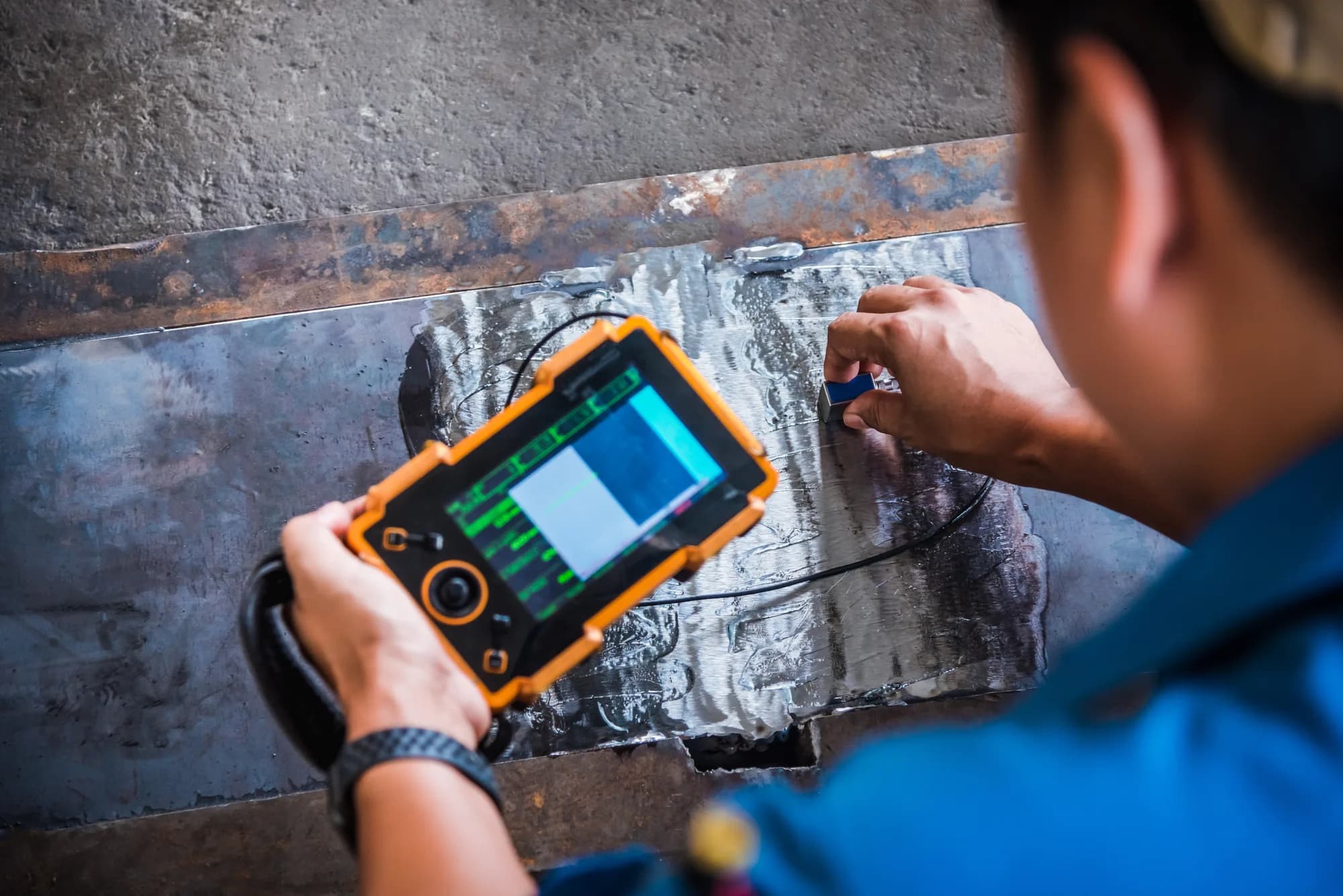
A factory acceptance test (FAT) is only as good as the procedure it runs to. Without one, the visit becomes a supplier demonstration: the machine runs, everyone nods, and nothing that was contracted gets verified. This guide covers the process end to end: who defines the procedure, who drafts the test protocol, what has to happen before the test day, the running order on the day itself, and how the event closes in a release or hold decision. It is the process companion to the factory acceptance test checklist, which is the working artefact ticked through while the procedure runs; for background on what a FAT is and where it sits in the factory-control programme, see the factory acceptance testing guide.
Where is the FAT procedure defined?
In the contract, before anything else. The purchase order or contract names the FAT as a hold point, states the notice period for scheduling it, names who attends and who signs, and points to the acceptance criteria. The test-by-test detail then lives in the inspection and test plan (ITP) agreed before manufacturing starts, and in the FAT protocol derived from it for the acceptance event itself. The specific tests a given unit must pass come from its category standards (IEC, ASME, API or IEEE, depending on the equipment), referenced by the protocol rather than improvised on the day.
When the contract is silent on all of this, the procedure defaults to whatever the supplier normally does for visitors, and the buyer has no basis to reject what is shown. Every step below assumes the contract established the FAT as an acceptance event with criteria; that clause costs nothing at signature and cannot be recovered later.
Who writes the FAT protocol, and what must it contain?
The supplier drafts it: they know the works, the test benches and the instruments. The buyer, or the party controlling quality on the buyer’s behalf, reviews it against the purchase specification and approves a numbered revision before the test date. Approval on the factory floor is not review; a protocol first seen on the day tests what the supplier chose, not what the contract requires. A complete protocol contains:
- the scope: the equipment under test, identified by item and serial number, and what is excluded;
- the reference documents: purchase specification, approved drawings, and the standards each test follows;
- the test list, each entry carrying its method, its acceptance criterion and the instrument used, with type tests referenced from existing reports and routine tests witnessed per unit;
- hold points and witness points: which steps stop until the witness signs, and which are observed;
- how non-conformities are classified and handled, covered in its own section below;
- the report format and who signs the result.
The test list is equipment-specific. For worked, per-category test items, the FAT checklist builder assembles them for common industrial equipment families.
What has to happen before the test day?
The pre-FAT sequence is short but unforgiving: notice given per the contract; a written readiness confirmation from the supplier stating the equipment is complete, self-tested and that internal results are recorded; the document pack assembled, including routine-test records and calibration certificates for every instrument the protocol names; open items from earlier checkpoints closed; attendance and the agenda confirmed. A FAT witnessed against uncalibrated instruments produces numbers nobody can defend, and a visit to unfinished equipment produces a wasted trip and a compressed re-booking. The item-by-item working list for this stage sits in the FAT checklist, sections one to three.
What is the running order on the day of the FAT?
The sequence below is deliberate: documents and identity come before testing, because a witnessed test on an unidentified unit, or against records that do not match the goods, proves nothing.
| Step | What happens | What is recorded |
|---|---|---|
| 1. Opening meeting | Protocol revision, scope, agenda and roles confirmed by both sides before anything is powered up. | The protocol revision the test runs to, named in the report. |
| 2. Document and calibration check | Supplier QC records, routine-test results and instrument calibration certificates checked against the protocol. | A document register; every gap logged as a finding, not waved through. |
| 3. Equipment identification | Serial numbers and nameplate data matched to the order and to the supplier's own test records. | Identity confirmation with photographs of nameplates and markings. |
| 4. Visual and dimensional inspection | Workmanship, materials, welds, surface treatment and key dimensions checked against approved drawings. | Measured values against tolerances, not a bare pass remark. |
| 5. Witnessed functional and performance tests | Each protocol test run in sequence, to its stated method and acceptance criterion. | A signed result per test. No verbal waivers; a criterion changed on the day is a finding. |
| 6. Safety and interlock checks | Guards, emergency stops, alarms and interlocks exercised, not just sighted. | The function of each safety device confirmed individually. |
| 7. Punch-list review and closing meeting | Findings classified, corrective actions and owners agreed, disposition decided. | The punch list and a signed release, conditional release or hold decision. |
For high-voltage equipment such as transformers, switchgear and cables, step five includes tests with their own witnessing discipline; how partial discharge testing is run and accepted inside a FAT is covered separately.
How are non-conformities handled during the FAT?
Every deviation from the protocol’s criteria is recorded as a finding while the unit is still on the test floor, with the evidence attached: the measured value, the criterion it missed, photographs. Findings are classified against the definitions the protocol set in advance, typically critical, major and minor, because classifying them on the day, under schedule pressure, is how majors become minors. Each finding gets a corrective action, an owner and a date, and the closing meeting agrees the verification route: witnessed re-test for anything touching performance or safety, photographic close-out for minor items that do not warrant a second visit.
This stage is where the FAT’s leverage lives. While the equipment is in the factory and the payment milestone is unmet, corrective actions move quickly; after shipment, the same findings become negotiations. Sinospect’s anonymised inspection sample shows what actually surfaces at this stage on China-sourced equipment: documentation gaps and workmanship findings ahead of functional failures.
How does the FAT close, and what does the report record?
The procedure ends in one of three dispositions: release, where the equipment met the criteria; conditional release, where minor findings remain with an agreed evidence route to closure; or hold, where findings require correction and a witnessed re-test before shipment. The FAT report carries the protocol reference and revision, the identity records, each result against its criterion, the findings with their classification, the punch list and the signatures. A FAT certificate, where one is issued, is the signed acceptance statement that references this report.
A passed FAT does not end factory control. Between acceptance and loading, the goods still have to be packed, preserved, marked and shipped as the same units that were tested; that is the job of the pre-shipment inspection. And what the FAT proved at the works still has to survive transport and installation, which is what the site acceptance test verifies; the boundary between the two is drawn in FAT vs SAT.
How Sinospect handles this
When Sinospect supplies the goods as principal, this procedure is not something the buyer has to write, negotiate or police: it is how Sinospect releases its own orders. The protocol is agreed with the factory against the purchase specification, the tests are witnessed by Sinospect’s own engineers, and the factory is paid only after the QC result passes, so the release decision and the buyer’s money sit on the same side of the table. See how Sinospect works for the full model.
For buyers purchasing direct from a Chinese factory, Sinospect runs the same procedure on the client’s own order through the factory acceptance testing service: protocol reviewed against the contract, tests witnessed at the works, findings classified in writing and tracked to close-out, and a signed release or hold disposition the buyer can act on.
Frequently asked questions
What is the difference between a FAT procedure and a FAT checklist?
The procedure is the process: who drafts and approves the test protocol, in what order the test day runs, how non-conformities are classified and how the release decision is made. The checklist is the working artefact ticked through while that process runs. A buyer needs both, but they answer different questions: the checklist says what to verify, the procedure says how the event is controlled.
Can the supplier's standard FAT procedure be used as it is?
As a starting point, not as the acceptance basis. A supplier's standard protocol demonstrates that the machine runs; it does not demonstrate that the machine meets the contract. Each test in the protocol has to be mapped to the purchase specification and its acceptance criteria, and the buyer approves the resulting revision before the test date, not on the factory floor.
How long does a factory acceptance test take?
The agreed test list sets the duration. A single machine with a settled protocol commonly fits in one working day; multi-unit orders, production lines and extended performance runs take several. In practice the biggest schedule driver is not the testing but findings left open at the end of the visit, because unresolved findings mean a repeat visit before the equipment can ship.
Is the FAT certificate the same as the FAT report?
No. The report is the evidence record: protocol reference, identity checks, each result against its criterion, findings and signatures. The certificate is a short signed statement of acceptance that references the report. A certificate presented without the underlying report is one of the weakest documents an equipment file can contain.
Need a FAT run to a procedure, not a demonstration?
Send the equipment specification and the order status. Sinospect responds with the protocol scope, the hold points it would witness and the report the buyer receives.